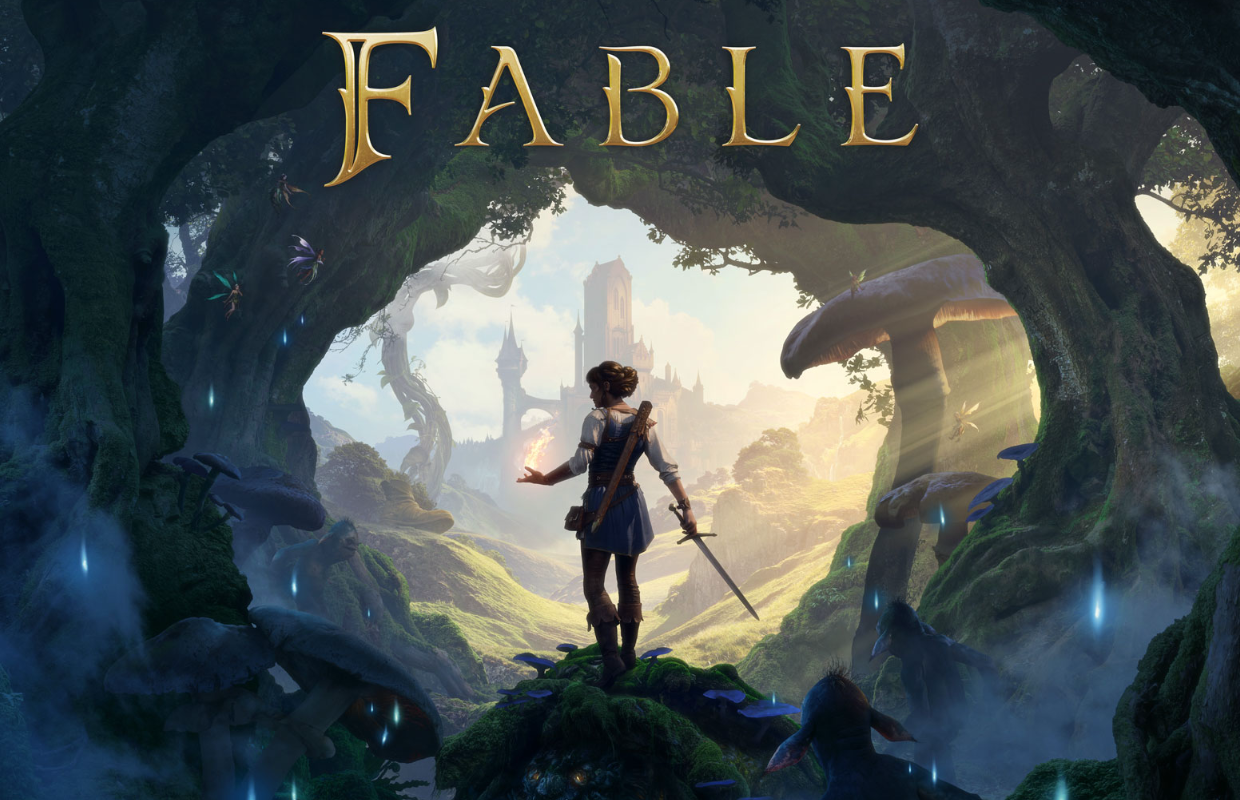
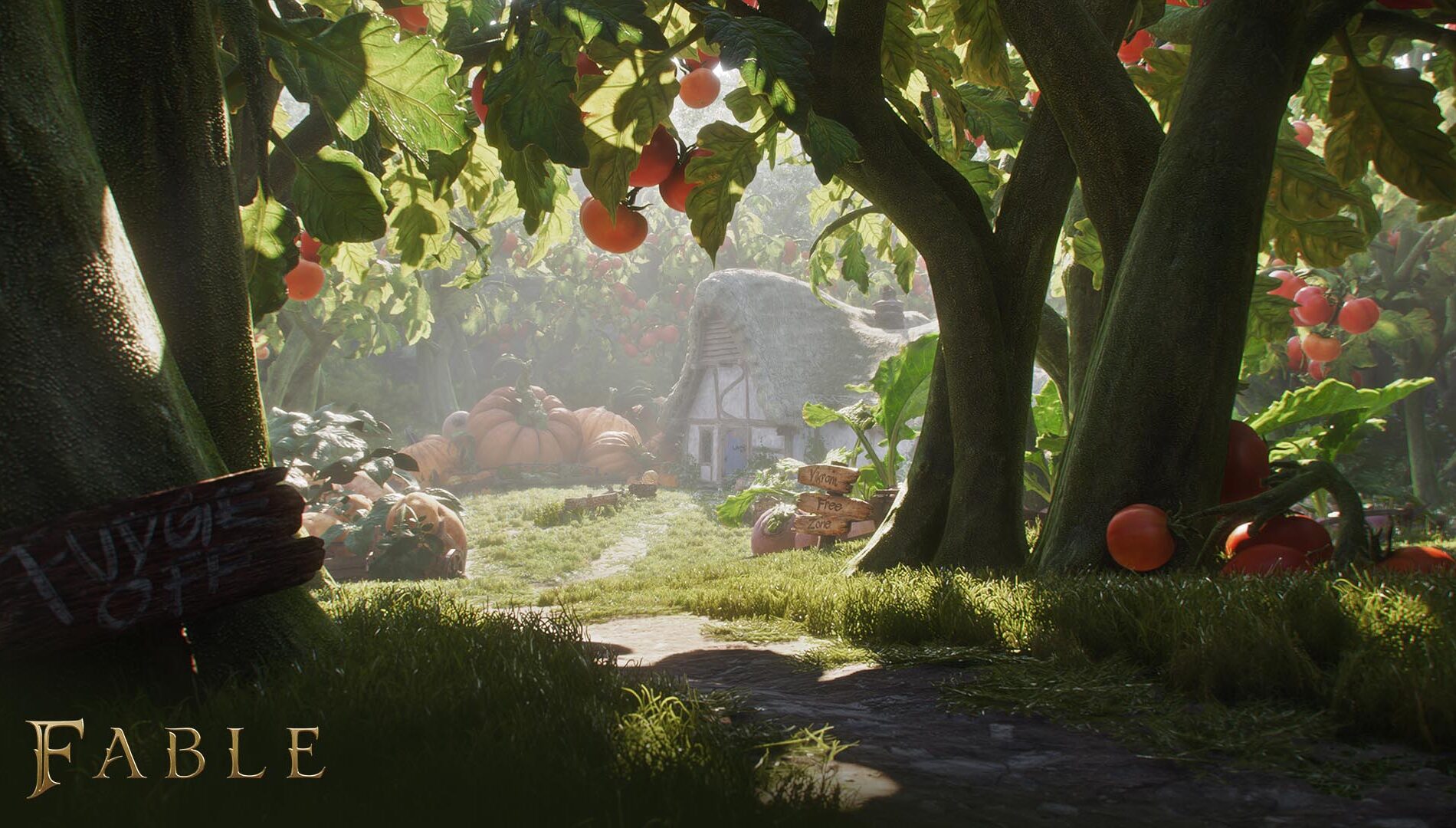
Playground Games и Xbox объявили, что игра Fable выйдет осенью 2026 года на PlayStation 5, Xbox Series X/S и PC.
Пока другие гонятся за мимолетным хайпом, мы изучаем P/E и балансовые отчеты. Здесь — зона взвешенных решений для долгосрочного роста капитала.
К Фундаментальному АнализуPlayground Games недавно опубликовала пост на Xbox Wire, подробно описывающий многие особенности предстоящей игры, включая её боевую систему, юмор и возможности настройки. В посте также объясняется, как эта игра представляет собой новое начало для серии Fable. Ниже вы можете найти тизер игрового процесса с дополнительной информацией от Xbox и Playground Games.
At today’s Developer_Direct event, we finally got a detailed preview of Fable, the new open-world action RPG that’s reimagining the beloved Xbox series. Developed by a new team at Playground Games (known for Forza Horizon), this ambitious and funny game aims to capture the spirit of Fable while offering a fresh take on the franchise, and it’s scheduled to release this Autumn.
At the Developer_Direct event, we got a first look at the story, saw gameplay featuring combat, and learned that the game will feature character customization. We also discovered a new take on Fable’s famous morality system and learned about the game’s unique and dynamic population of NPCs, along with many other exciting details.
There’s still a lot to explore, so I spoke with Ralph Fulton, the Game Director and GM of Fable, to get more details on the things we recently discovered.
Is this a full reboot of the entire series, or does it sit on the existing Fable timeline?
As a gamer, I’ve been hearing the team talk about this game as a ‘new beginning,’ and it totally makes sense. They really felt like the franchise needed a fresh start. It’s been ages since the original trilogy wrapped up – like, almost two full generations of consoles have come and gone! It’s awesome that you can still play those old games now, and thanks to backwards compatibility, they actually look pretty good!
We decided not to strictly follow the story or schedule of the original games. This gives us the creative freedom to develop our own version of Albion and tell a fresh, original story within that world.
We’ve stayed true to the spirit of the original games, and that inspiration is obvious. However, we also wanted this to be a fresh start, giving us the freedom to create the stories we envisioned.
How are you balancing making a new game while honoring Lionhead’s work?
When we started developing Fable, one of our first questions was: ‘What truly makes a Fable game a Fable game?’ We weren’t thinking about specific features or settings, but rather the core ideas and concepts that define the experience. What is the heart of Fable?
I told the team we shouldn’t try to copy Lionhead Studios. We needed to create a game that truly reflected who we are at Playground Games. I strongly believe a team’s personality shines through in the games they create, and we should embrace that.
You can definitely see the influence of the original Lionhead games in that first trilogy. Trying to simply copy them wouldn’t make sense. That’s really why we decided to reboot the series – we’re starting fresh as Playground Games and want to create our version of Fable.
To be honest, I wasn’t initially certain how closely our new Fable game would resemble the classic Lionhead titles we all enjoy. However, as I mentioned at Developer_Direct, I’m happy to say it’s clearly recognizable as a Fable game in many ways.
So to answer your own question: what is the essence of a Fable game?
We built upon a lot of existing ideas, many of which originally came from Lionhead. When the project began, we received a large collection of archived documents from them, which proved to be a valuable resource.
I really liked how one document put it: ‘Fable is Fairytale, not Fantasy.’ It was a clever and concise distinction.
It seems we see fairytales and fantasy as being very different, existing at opposite ends of a scale. Most people understand fantasy – think of series like The Witcher, Skyrim, Lord of the Rings, or Game of Thrones. It generally feels epic in scope, with large-scale conflicts and a serious tone. You can almost visualize the look and feel of fantasy – a specific, grand color scheme comes to mind.
Fairytales are personal and focused on everyday people – they explore what happens when magic enters the lives of those just like us. That’s a perfect way to describe the core of what ‘Fable’ is all about.
Fairytales are quite different, falling on the opposite end of the storytelling spectrum. They’re usually small, personal stories about everyday people, rather than epic adventures. They focus on how magic affects the lives of ordinary folks and often include a lesson or moral.
That’s a perfect way to describe Fable – that vision is woven into everything we’re doing, from the art style to the world itself. We’ve truly embraced the fairytale concept in every aspect of the game.
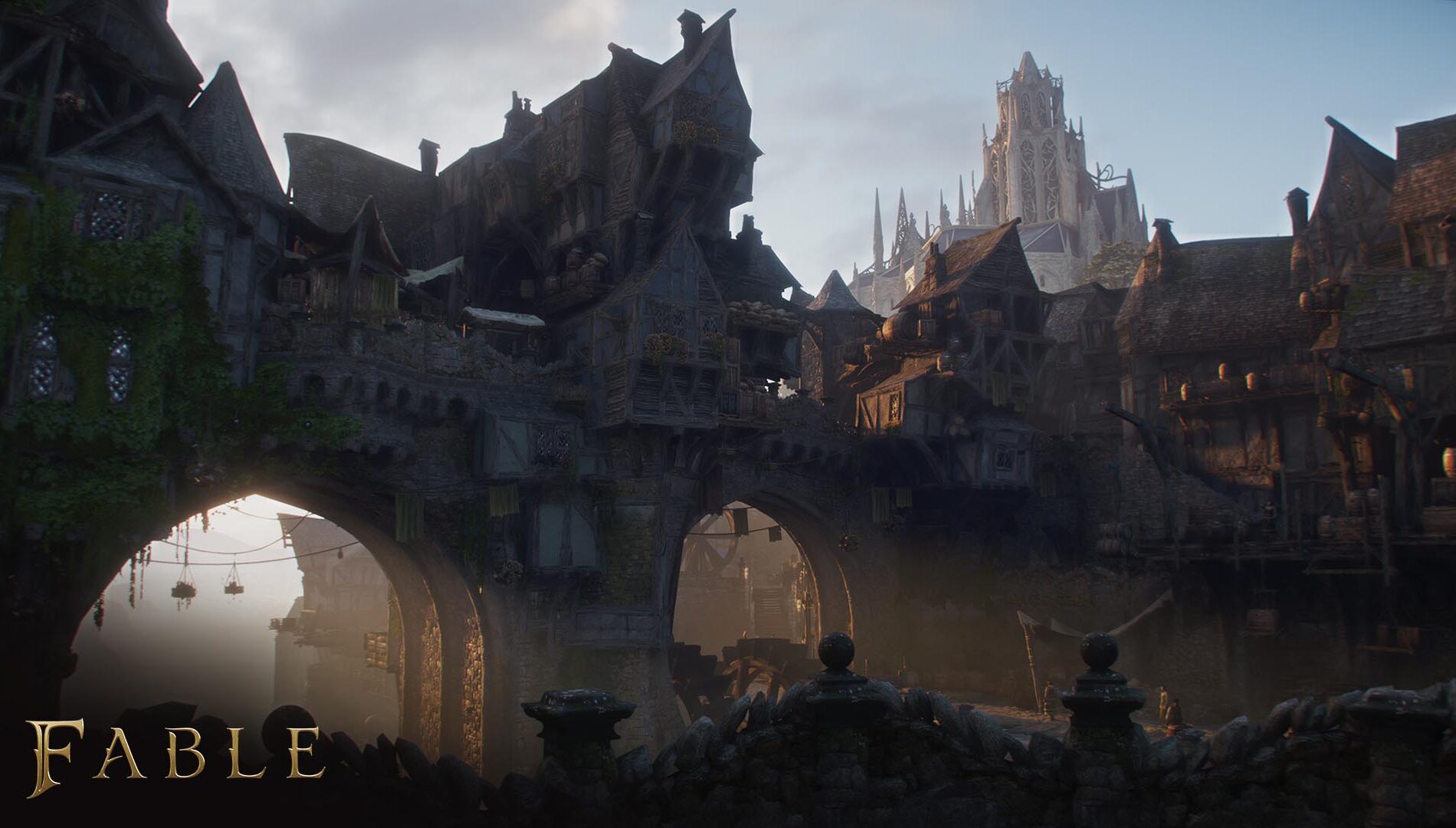
Another key part of Fable’s identity is its strong British influence. It’s almost impossible to talk about Fable without acknowledging that it’s very British – it might seem like a cliché, but it’s largely accurate. This isn’t just down to the game’s setting, which is based on medieval England, or the fact that the characters speak with British accents.
Both the original games and ours share a distinctly British feel – a particular tone and way of looking at things. This is especially true with the humor, which is a key part of what made the originals so successful and something we’ve made sure to include in our game.
Ultimately, the game focuses on the impact of your decisions. We see this as true freedom – the ability to shape your own story and become the hero you want to be, going wherever and doing whatever you choose. That feeling of choice and consequence is what players loved about the original Fable games, so it was crucial for us to bring that back. Our game is filled with meaningful choices, and you’ll really see – and live with – the results of those decisions.
So for us – at, like, DNA level – that’s what Fable games are, including our own.
How does this story begin – what’s the quest you’re following?
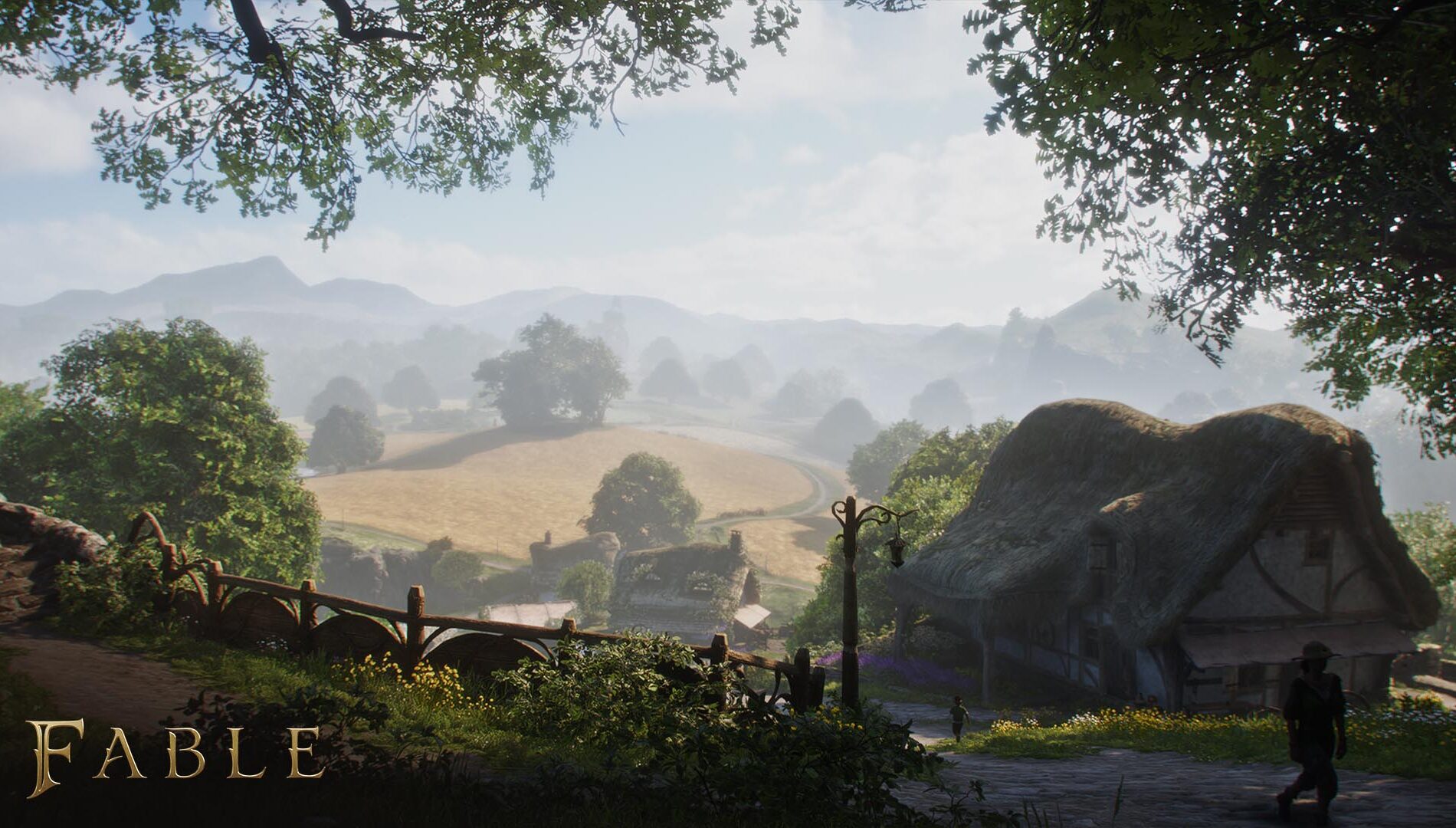
Fable starts uniquely with you playing as a child, which is a fantastic design choice. That’s when you discover your heroic abilities and your journey truly begins. The game then jumps forward in time, and you resume playing as your fully grown character in Briar Hill, your home village, for the remainder of the adventure.
Our game is designed to be very open – once you venture out from the starting village, you’re free to explore almost anywhere. We’ve crafted the story so there are important goals, but you won’t feel pressured by a strict time limit or immediate danger.
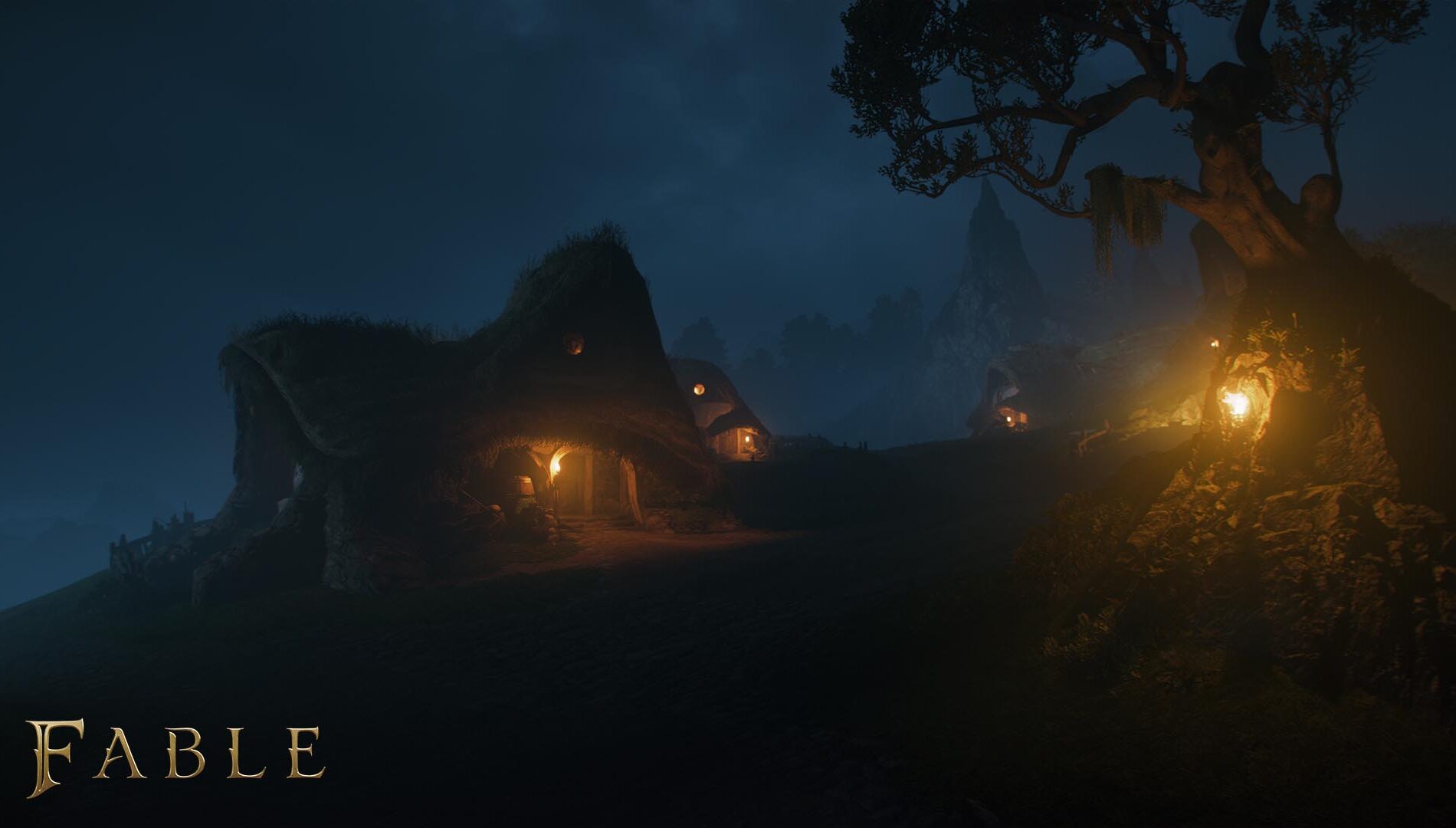
That’s when the game truly begins. The story kicks off with a shocking event: a mysterious stranger turns your grandmother and everyone in your village to stone.
You find yourself unexpectedly alone in a village, and that forces you to venture out into the wider world. Your main goal is to discover what happened to the people who lived there and, if possible, fix it. The only hint you have is a fleeting glimpse of a mysterious stranger you saw at the beginning of the game. This stranger seems like your only lead, and following them is the only way to start uncovering the truth, which is how the story begins.
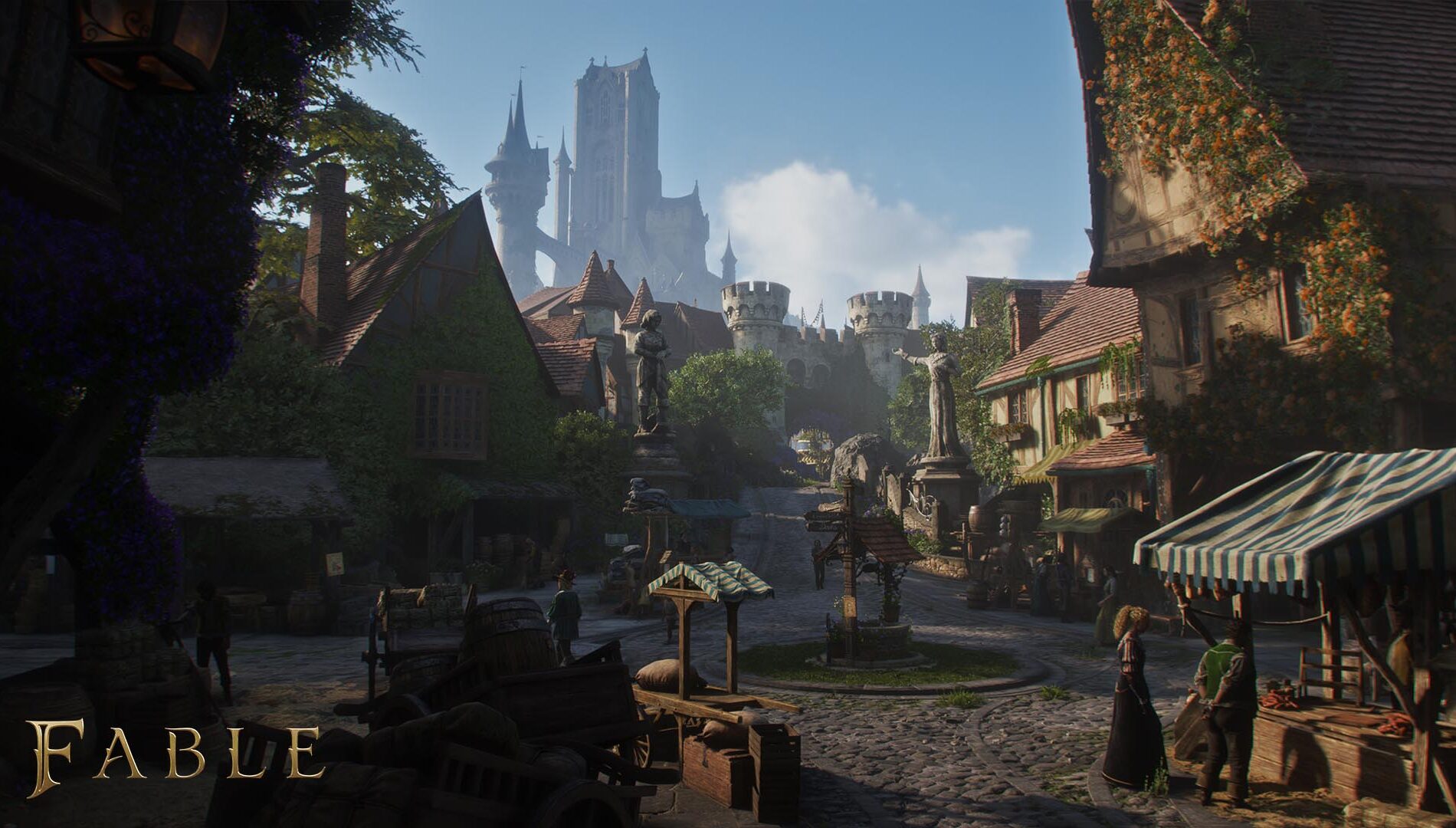
Your grandmother also tells you about Bowerstone and the Heroes’ Guild – a place where famous heroes reside. She suggests that if you ever find yourself in trouble, they’re the people to turn to. This hints that you should seek them out, as they might be able to help you.
Our game is designed to be truly open-world, meaning you’re free to roam almost anywhere right from the start. While there’s a story with important elements like your grandmother and village, it doesn’t rush you with urgent deadlines or a countdown.
We don’t want to rush players through the main story. You’re free to explore and do whatever you like in the game world. For example, you could travel to a distant village, find work, and start a new life. The story will still be there when you’re ready, which is important because Fable games are known for having lots of interesting things to do outside of the main quest.
How does the open world work? Are you ‘level gating’, or encouraging people to go to places in a certain order?
From the beginning of this project, our top priority has been giving players complete freedom to explore. We want you to be able to go anywhere in the world of Albion right after leaving your starting village.
Even though most people will likely make the practical choice – like prioritizing the safety of loved ones – we anticipate some will be driven by curiosity and want to explore what’s happening.
We aim to go above and beyond for our customers, ensuring they have enjoyable and memorable experiences no matter where they travel. This goal guided everything we did.
After establishing the core gameplay, we focused on creating a sense of progress, with increasing challenges. We wanted to make sure players could explore freely without hitting artificial barriers based on their level – so you shouldn’t reach an area you can’t access simply because you’re not high enough level.
We’ll definitely dive deeper into leveling and how you get better later on, but I wanted to share something important about how we built the game. For us, it was super important that every town and settlement felt alive and had stuff to do. So, we actually designed how you progress through the game around making sure that’s true – you should be able to hit any spot on the map and have a good time!
How are you approaching combat?
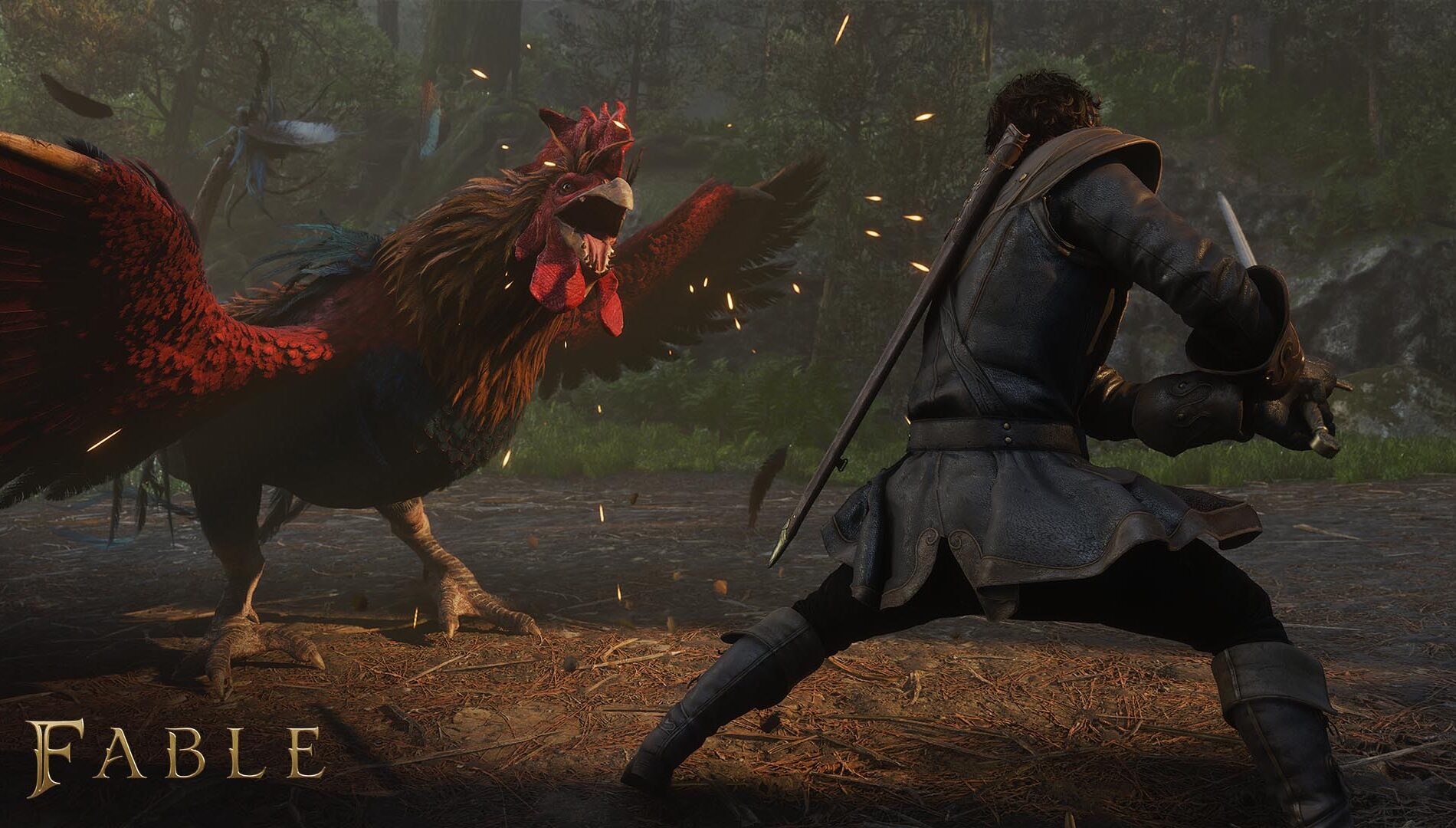
In Fulton, we’re evolving the original game’s combat – which combined close-quarters fighting, ranged attacks, and magic, or ‘Strength, Skill, and Will’ – into a new system we call style-weaving. Our goal was to create a combat experience where players can smoothly and instantly switch between these different combat styles without any interruption or delay.
Our goal for combat is to let you seamlessly transition between sword attacks and spellcasting, like striking with a sword and then immediately casting a fireball in one fluid motion.
Our game’s battles usually involve groups of enemies, often with a variety of types. This forces you to strategically use a mix of ranged attacks, close combat, and magic to control the situation, defeat them, and overcome each unique challenge.
What I love is that even within each fighting style, there’s so much to choose from! You can really build the fighter you want. Do you want to be a damage dealer, blasting enemies with powerful spells? Or maybe you prefer controlling the battlefield with tactical spells? If you’re a melee fighter, you can be super precise or go for raw, brutal power – it’s totally up to how you want to play!
Even during battles, you can still show your own style, but success depends on quickly choosing and using the best abilities at the right moments.
It looks like there are emergent elements to combat – we see a Hobbe accidentally hit one of his own companions, and enemy weak spots that can cause specific reactions. Is that built into how you play?
Absolutely. Every enemy has its strengths and weaknesses, and a big part of the challenge in combat is figuring out how to use your weapons and abilities to take advantage of those weaknesses. This becomes even more interesting when you’re facing multiple enemies at once, as you need to manage them all and find the most effective strategy.
So, during one of our gameplay recordings, Hobbe totally messed up and accidentally took out his teammate. It was a complete accident, but honestly, it was hilarious! We decided to leave it in the video because it really captures the chaotic energy of that enemy – fans are gonna love it.
Adding friendly fire and similar chaotic elements always makes combat more fun and humorous. We’ve been asking ourselves how to best include humor in Fable, especially considering combat is usually a very serious part of the game.
I think fairytale creatures are really funny and have a lot of personality. Some of them are even a little silly and over-the-top.
How has the classic Fable morality system changed?
From the very beginning, the original trilogy heavily emphasized morality – it was even a central theme in the game’s artwork, showcasing the conflict between good and evil. We’ve discussed this a lot during development of this new project. While the original trilogy is strongly connected to that classic good versus evil concept, how we approach morality in video games has evolved since then.
Our approach to morality in this game is based on how we see it in the real world: there’s no absolute right or wrong. Instead, morality is based on personal opinions and what individuals consider important in others when they form judgments.
As we showed during Developer_Direct, our game handles morality based on your actions, specifically those witnessed by other players in Albion. If someone sees you do something, you’ll start building a reputation for it. We often use the example of kicking chickens – it’s a classic Fable tradition!
If people see you harming animals, like kicking a chicken, you’ll start to gain a reputation for it. The more often it happens, or the more people who witness it, the more well-known this behavior will become. Consequently, people in the area will treat you based on their perception of this reputation.
You can build up many different reputations, allowing you to establish unique identities in each settlement.
However, it’s important to remember that people will have different opinions about your reputation. Whether kicking chickens is considered good or bad isn’t a simple yes or no – it depends on each individual’s perspective and how they see your actions.
The same holds true for qualities like generosity, or negative traits like being unfaithful or a thief. Each town has a range of reputations you can earn – think of it as a ‘word cloud’ of how people see you, and these reputations can vary from place to place. This allows you to essentially create different personas in each town by acting and behaving in unique ways.
The word cloud represents how residents of a town perceive you, influencing all their interactions. These townsfolk aren’t shy about sharing their opinions – you’ll experience everything from street harassment to varying levels of romantic interest, impacting whether you can even marry someone. It goes further, too, affecting prices and creating a ripple effect throughout your entire experience in that town, all based on your reputation.
This system offers more possibilities for how you express yourself, letting you control both what you share and who sees it. You get to decide how you want to be perceived and whether you’re comfortable with others forming certain impressions of you.
If you’re unhappy with your current reputation, you can take steps to improve it. Or, if you prefer a quicker fix, you could simply pay someone to spread a new, more favorable story about you, effectively replacing the old one.
That’s why we emphasize that our game won’t judge your actions – the inhabitants of Albion will. Some people have pointed out that this seems like the same thing, but it’s actually quite different. The various people within the game world will have their own unique opinions on what you do, which is similar to how people react to each other in real life.
The Living Population of NPCs is a fascinating addition – what does that offer the player?
In Fulton, we have over 1,000 unique characters, called the Living Population, who live their own lives with individual roles, personalities, and daily routines. Creating these persistent and interactive characters, each with their own quirks, is a really complicated undertaking.
As we began development, we quickly realized each town needed enough beds for all its residents to sleep in at night. Explaining that to our art team was pretty funny, but as always, they delivered beautifully.
Most games don’t require such careful planning – you’re usually just focused on making things look good. But in Fable, your town needs to be both attractive and actually work as a community.
Early in the game’s development, we were puzzled by an empty town during the day. After investigating, we discovered the town’s characters were trying to go to work, but their homes were too far from their jobs. They would start walking, but couldn’t reach work before their programmed schedule forced them to return home for the night.
The game takes some effort to learn, but it’s really rewarding. You start to learn everything about the characters – their names, preferences, relationship goals, homes, and jobs. It adds a lot of depth to the usual NPC experience.
Does the Living Population tie into the main quest?
We didn’t want to directly connect the main story with the ‘Living Population’ system, so we’ve made the connection very subtle. Characters in the main quest might occasionally mention your reputation or past actions, but you’ll never be required to engage with those systems to continue the main story.
We understand some players, who we call ‘Bards,’ will prefer to experience the main story from beginning to end. That’s a perfectly valid and enjoyable way to play the game.
As a fan, I love that the developers are acknowledging there will always be players – they call them ‘Architects’ – who love to tinker and really test the limits of the game. It’s awesome they’re giving those players the freedom to experiment and see what’s possible, whenever they want!
British humor is a big part of this game – and we’ve seen British comedians in the cast. Can you tell us more about the comedic side?
The game features British humor in many forms. I find the reactions of the Living Population particularly amusing – they have a very dry, understated British style. You’ll also see it reflected in the story and the characters you encounter.
This game features a fantastic cast of characters, and we’ll be sharing more details about them later. We were inspired by the original Fable games, which were known for their impressive casts, and we aimed to create something similar. You’ll encounter a truly memorable group of characters throughout the main story.
We drew inspiration from the fantastic range of British comedies over the past two decades, shows like ‘Peep Show’ and ‘The IT Crowd’ among many others. We began by looking at ‘The Office’ – a show that’s originally very British but has proven popular internationally. Beyond just the show itself, we were influenced by the techniques and comedic style it popularized – that relatable, often awkward, kind of humor. Plus, the actors from these shows are well-known globally, and some even appear in our game.
You might have noticed in our trailers that we use interviews, like in a documentary. Some people think we only did that for the trailers, but it’s actually a storytelling technique we use throughout the entire game.
Something else really neat about The Office is that we borrowed a technique you might have noticed in our trailers: a mockumentary-style interview format. Many people probably think we only used it for the trailers, but it’s something we actually incorporate throughout the entire game.
I haven’t encountered this technique in games before, but it’s a great way to deliver a joke or reveal something about a character naturally. What might feel awkward if said directly in a conversation flows seamlessly when presented as if the character is speaking directly to the player.
There’s lots more we haven’t seen here – can you tease what else we might learn about before the game arrives?
Honestly, during the Developer_Direct showcase, we didn’t really dive deep into the main storyline past the very beginning. I also want to emphasize the characters – there’s a whole cast of them! And get this – your choices really matter throughout the entire game, leading to some serious consequences. It’s not just a simple story; it’s shaped by what you do.
The main goal of Developer_Direct was to address the many questions fans have had about a game we haven’t discussed much. It gave the development team a chance to finally share details and respond to what our fans have been wondering about.
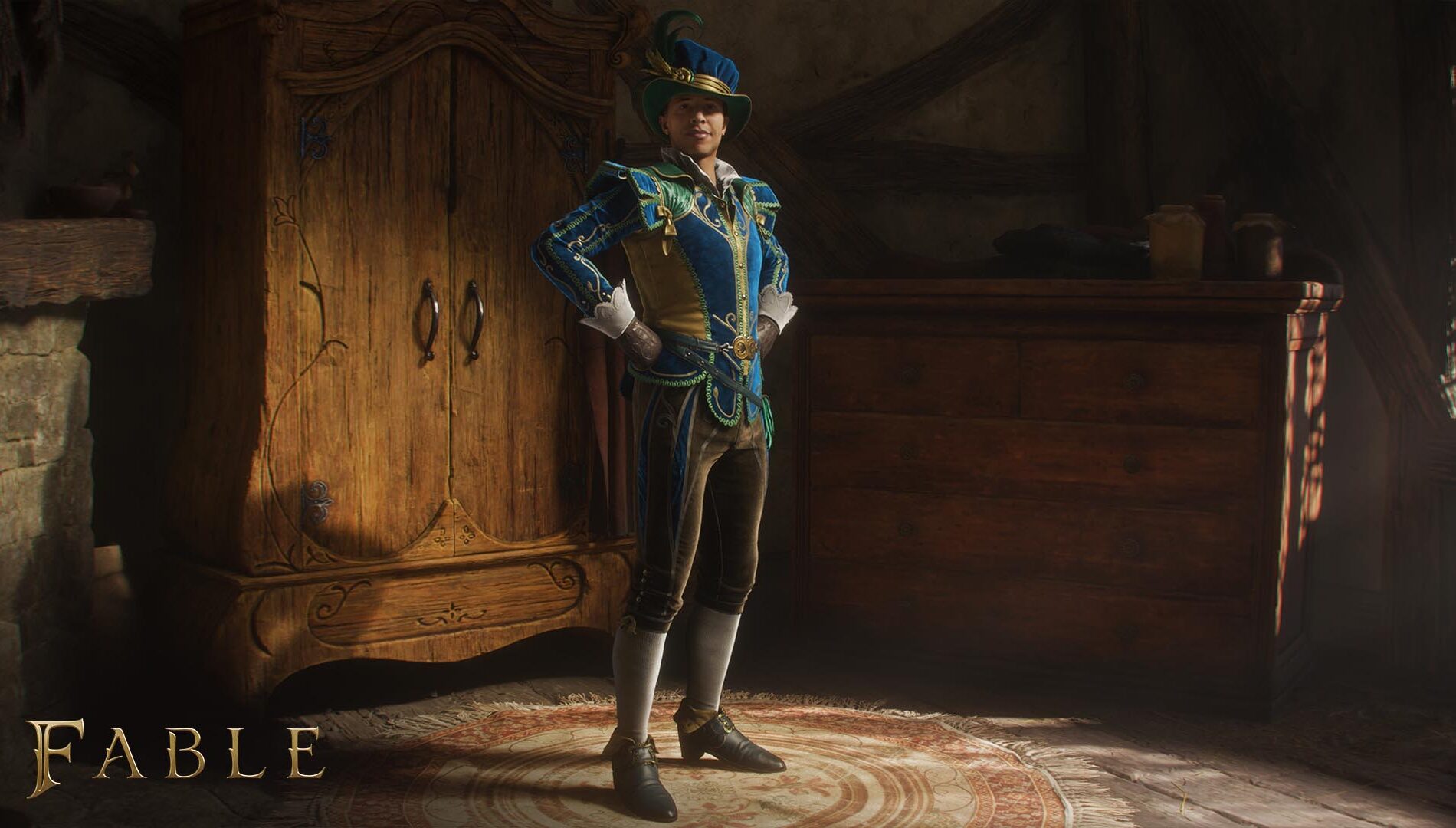
We’re happy to finally confirm that character customization will be a big part of the new Fable. We’ve been working on this for a long time, and we want players to truly be able to create the hero they envision – in every way possible.
I was so excited at the Developer_Direct showcase! They announced the game is coming out this autumn, and before then, we’re going to learn a ton more about the characters and the story. I can’t wait for them to really dive into the gameplay details – things like how combat works, how you level up, what kind of weapons there are, how exploration feels, and even the social and economic systems. They promised there’s so much more to come, and I’m already counting down the days!
Смотрите также
- Как увеличить навык красноречия в Обливионе Ремастеред
- Where Winds Meet: Все местоположения предметов March of the Dead (Копьё, Броня, Шлем)
- Элдэн Ринг Найтрейн: Как получить и использовать Кодовый Конец
- ФСК Россети акции прогноз. Цена акций FEES
- РусГидро акции прогноз. Цена акций HYDR
- Ходят слухи, что Fable выйдет на PS5 в первый же день — что это значит для геймеров!
- Лучшая уникальная одежда в Avowed
- Ранние побочные квесты, которые не стоит пропускать в Monster Hunter Wilds
- Где найти все сокровища Захваченной деревни в первом берсерке: Хазан.
- Руководство по квесту Яблоко ее глаза и местоположение очков Альмы — Monster Hunter Wilds
2026-01-22 22:04